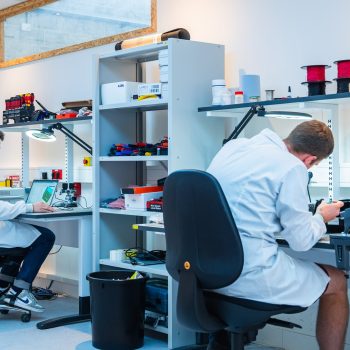
Co-developing a Power Cabinet for a Leading OEM in advanced manufacturing
OUR CUSTOMER
THE CHALLENGE
Regaining full design ownership
The supplier controlled critical design logic, validation processes, and documentation, limiting transparency, control, and future sourcing flexibility.
Managing evolving system concepts and requirements
Progressive insight and changing requirements required repeated concept iterations while balancing technical risk and planning impact.
Maintaining cost control under strict budget targets
All engineering decisions had to meet predefined cost boundaries, requiring continuous trade-offs and justification across interconnected subsystems.
Balancing shared ownership in co-development
Clear agreements were needed between stakeholders on responsibilities and decision-making in a jointly developed system.
Building excellence together
This open, transparent collaboration enabled strong alignment, constructive pushback, and steady progress toward a futureproof solution.
The impact we made
- Full design ownership and documentation secured
- Reduced dependency on a single supplier
- Cost targets embedded early in engineering decisions
- A validated, future ready cabinet architecture
Facing Similar challenges?
PDM supports high‑tech OEMs in engineering modular, scalable, and service‑friendly system designs.
OUR APPROACH in action
- One integrated engineering team:
PDM engineers were embedded in the customer’s development organization, operating as a single project team with shared ownership of progress, risk, and technical outcomes.
- Early prototyping and validation:
Key concepts were prototyped and validated early in the process to verify feasibility, reduce downstream risk, and support informed architectural decisions.
- Structured concept reviews:
Design choices were evaluated through structured reviews, balancing performance, cost, and system complexity while keeping long-term maintainability in focus.
- Clear subsystem ownership and leadership:
Subsystem responsibilities were clearly defined, enabling decisive engineering leadership and fast resolution of technical trade-offs.
- Open technical challenge and benchmarking:
Design assumptions were actively challenged using benchmarking and industry standards, ensuring decisions were technically sound and well-substantiated.
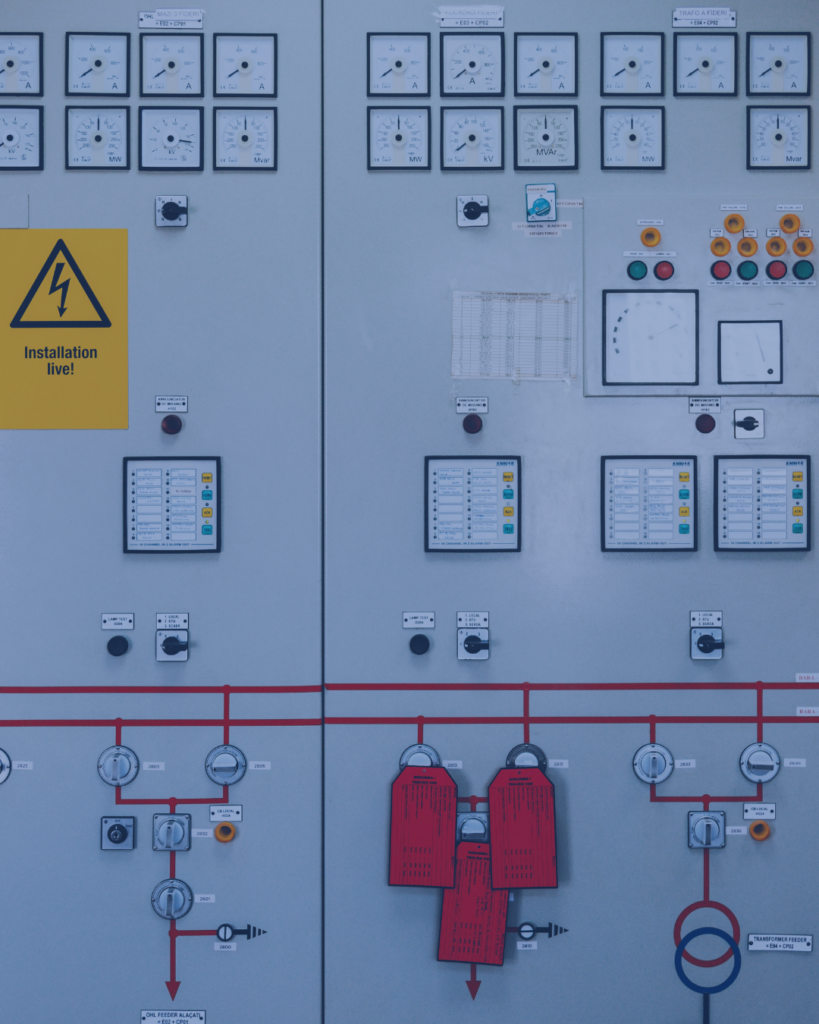
discover our expertise
Design & Engineering
We help manufacturers accelerate complex product development through modular design, scalable architectures, and engineering excellence from concept to integration.